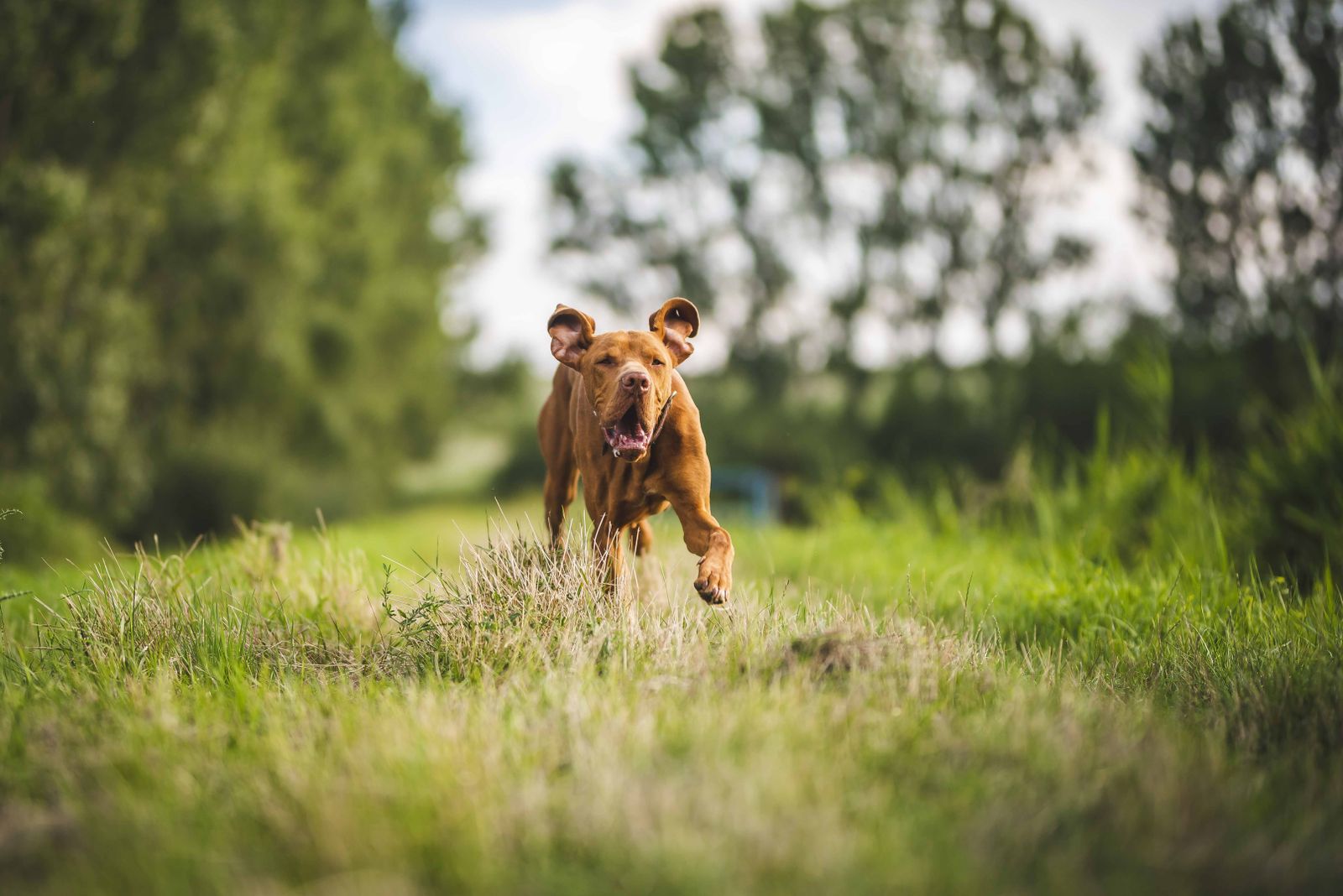

When a pet goes missing, a great flyer is still one of your most powerful tools. It works around the clock, reaches people who never look at social media, and turns your whole neighborhood into a search party. But not every flyer is created equal. A cluttered page taped to a pole gets ignored, while a bold, simple one can stop a driver at a red light. Here is exactly how to build a lost-pet flyer that actually gets your pet home.
The anatomy of a flyer that works
Remember the golden rule: most people see your flyer for two seconds, often from a moving car. Every design choice should serve fast, at-a-glance readability.
1. The word “LOST” — big and bold at the top
This is the single most important word on the page. Put it across the top in the largest, boldest font you can fit. It tells people instantly what they are looking at before they read anything else. Black text on a bright background (or the reverse) reads best from a distance.
2. A large, recent color photo
Your photo should take up a big share of the page — think a third to half of it. Use a clear, recent color image that shows your pet’s face and body, and ideally captures distinctive markings: a white chest patch, a bent ear, a unique tail. Skip blurry or dark shots. A single strong photo beats several small ones.
3. The essentials only
Resist the urge to tell your pet’s whole life story. From a distance, a wall of text is invisible. Include just what a finder needs:
- Pet’s name
- Species and breed (e.g., “Beagle mix”)
- Color and size
- Where and when last seen
- Your phone number in large digits
Your phone number should be the second-biggest thing on the page after “LOST.” If someone can read only two things, make it “LOST” and your number.
4. Whether to mention a reward
The word “REWARD” grabs attention and motivates people to look twice. You do not have to name a dollar amount — simply printing “REWARD” is enough to make eyes linger. Offer only what you can genuinely provide, and let the promise of a happy reunion do the rest.
5. What to leave off
A few smart omissions protect you from scams and keep you safe:
- Hold back one identifying detail. Keep a unique trait — a specific marking, a scar, a microchip fact — off the flyer. When someone calls claiming to have your pet, ask them to describe it. This helps you verify honest finders and screen out scammers.
- Be cautious with your home address. A phone number is enough. You do not need to advertise where you live to strangers.
- Skip long paragraphs. If it can’t be read from ten feet away, it’s clutter.
Design tips that boost readability
- High contrast wins. Dark text on a light background (or a bold color block) is easiest to read quickly.
- Go big on fonts. Use large, simple typefaces. If you have to squint on your screen, it’s too small.
- Add tear-off tabs. Little strips at the bottom with your phone number let passersby take your contact info on the spot.
- Choose your orientation. Landscape can showcase a wide photo; portrait fits more tear-off tabs. Either works — just keep it clean.
Weatherproof it
Rain and sun will destroy an unprotected flyer within days. Slide each one into a clear plastic page protector, or laminate them if you can. Tape all four edges down firmly, and use sturdy tape or staples so wind doesn’t tear them loose. A flyer that survives a week of weather does far more work than one that dissolves overnight.
Where to post
Location is everything. Prioritize spots with lots of eyes and lots of foot traffic:
- Busy intersections and stop signs (where cars pause)
- Veterinary offices and animal shelters
- Pet stores and groomers
- Community bulletin boards at grocery stores, libraries, and coffee shops
- Dog parks and popular walking trails
- Neighborhood mailboxes and cluster boxes — always with permission
Don’t forget the digital version. Post the same flyer image to your local Facebook groups, Nextdoor, and neighborhood chats. A shareable digital flyer can travel miles beyond where you can physically tape one.
Your quick flyer checklist
- “LOST” large and bold at the top
- Big, recent color photo showing distinctive markings
- Name, species/breed, color, size
- Where and when last seen
- Phone number in large digits
- “REWARD” (amount optional)
- One identifying trait held back for verification
- Tear-off tabs added
- Weatherproofed and firmly posted
- Digital version shared online
If designing all of this from scratch feels overwhelming during an already stressful time, you don’t have to. MyLostPetAlert includes a ready-made, printable lost-pet flyer with every package — including the free tier — so the layout, bold heading, and photo placement are handled for you. Fill in your details, print, and post.
Frequently asked questions
How many flyers should I put up?
As many as you reasonably can within the area where your pet was last seen, then work outward. Pets can travel farther than owners expect, so widen your radius every day. Concentrate on high-traffic spots first, and replace any flyers that get damaged or taken down.
Should I really leave a detail off the flyer?
Yes. Holding back one unique identifying trait gives you a simple way to confirm that a caller has actually seen your pet. Ask them to describe your pet and see if the detail matches. It’s an easy safeguard against well-meaning mix-ups and outright scams.
Do flyers still matter if I post online?
Absolutely. Online posts reach people scrolling their feeds, but physical flyers reach drivers, dog walkers, delivery drivers, and shelter staff who may never see your post. Using both together covers the most ground — and finders often spot the pet in person before they ever see it online.
Ready to skip the design headache and get the word out fast? Start with MyLostPetAlert to get a ready-made printable flyer plus automatic alerts that fax nearby shelters, vets, and rescues, call your neighbors, and run Facebook ads — all with a verifiable delivery log, and a free tier to get you moving right away.